A lot of what you see on social media is there to make you want to buy things. Some posts are obvious ads, but others are sneakier — like influencers recommending products, or videos that suggest being happy, popular, or successful means owning certain stuff.
Algorithms notice what you watch, like, and search for, then fill your feed with more of the same. Over time, your feed can feel packed with products and “you should buy this” messages, even when they don’t look like ads.
Learning how to spot this helps you understand when you’re being influenced, so you can make smarter, more confident choices online.
"If it’s something about different products they were using for hair that I might want to try, then I would either save or like the post. And then I would try to order it…"
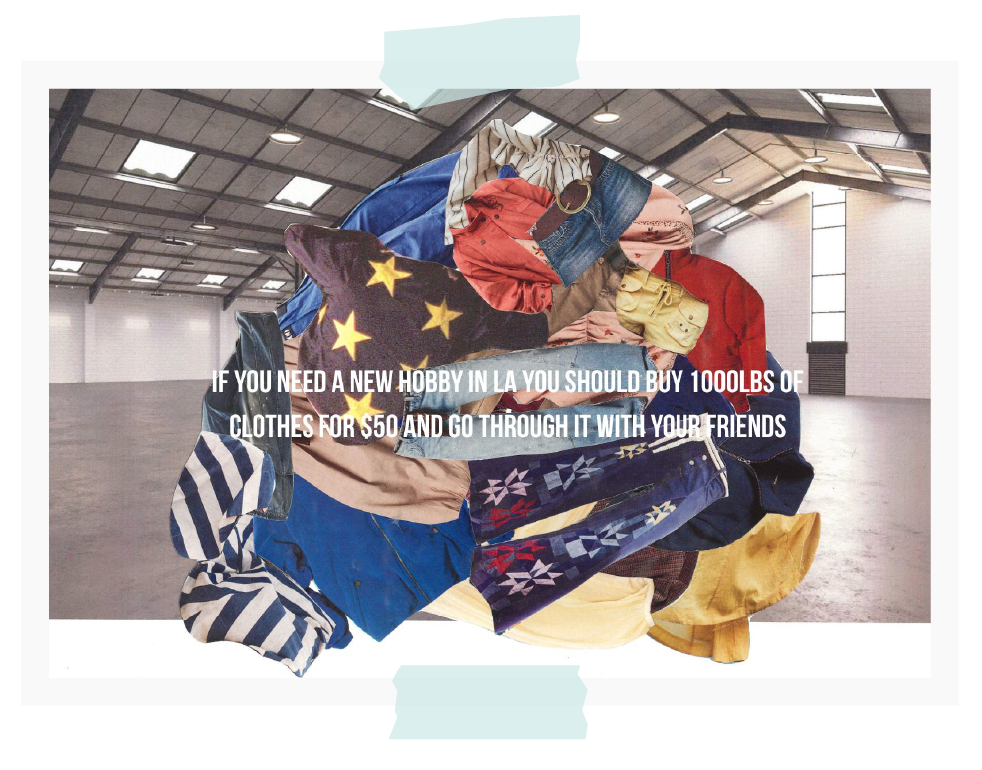
"I mean, it’s a bit upsetting, isn’t it? Like, if you see people buying thousands of pieces of clothes and just random plastic tat advertised to you, it just feels like not something I want to see, and I mean, it’s terrible for the environment."
"I was definitely intrigued to search and see what kind of things that they had but I wouldn't say it affected my well-being in a negative way more so positively of finding things that maybe I wouldn't have thought about getting before but maybe would now decide to get."
Seeing lots of posts about buying things can make you feel bad about yourself. On social media, happiness and popularity are often shown as coming from having the right look, clothes, or stuff.
This can lead to comparing yourself to others and feeling like you’re not good enough if you don’t have what they have. Over time, that can lower confidence and make people feel stressed, worried, or unhappy.
Ads and influencers can also push people to spend money fast or buy things they don’t really need, which can add extra pressure and stress.


• How can you tell when a post is trying to sell you something, even if it doesn’t look like an advert?
• What pressure can ‘trending’ products create in friendships or groups?


• How can you tell when a post is trying to sell you something, even if it doesn’t look like an advert?
• What pressure can ‘trending’ products create in friendships or groups?


• Look for “#ad”, “sponsored”, discount codes, affiliate links, “link in bio”, or creators repeatedly showing products.
• If something is basically an advert, use Not interested / Show less, and unfollow accounts that mostly sell.
• Pause before you save. Saving/liking tells the app to show more of the same. In settings, look for Ad preferences / Interests and remove topics you don’t want (e.g., “beauty”, “shopping”).